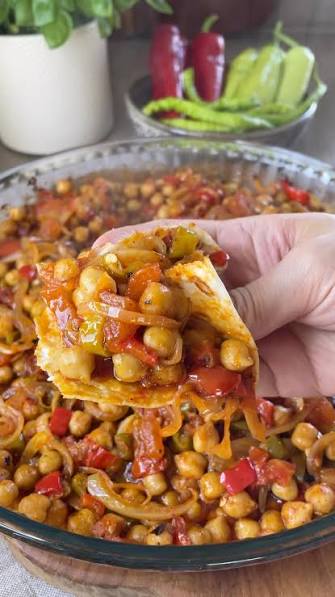
Urfa-style Nohut Tava transforms simple pantry chickpeas into a deeply rich, smoky casserole using fresh peppers, garlic, and tomato paste. The legumes soften directly in roasted vegetable juices, which creates a thick sauce perfect for scooping with warm flatbread. Everything bakes together in under an hour, so you get maximal depth with minimal active effort.
This version draws directly from traditional Southeastern Anatolian home cooking, where raw vegetables and legumes are combined in a single pan rather than pre-sautéed. She bakes the dish covered under damp parchment paper first, which traps steam so the garlic and peppers break down into a sweet, concentrated broth. That simple moisture seal keeps the chickpeas tender while preventing the top spices from burning.
Salt control makes or breaks this dish because tomato paste and isot pepper both carry inherent salinity that concentrates during baking. If you over-salt early, the baking reduction creates a harsh bite, but under-salting leaves the center of the chickpeas bland. Adding half the salt to the raw mix and adjusting after the parchment comes off ensures balanced seasoning throughout.
Jump to Recipe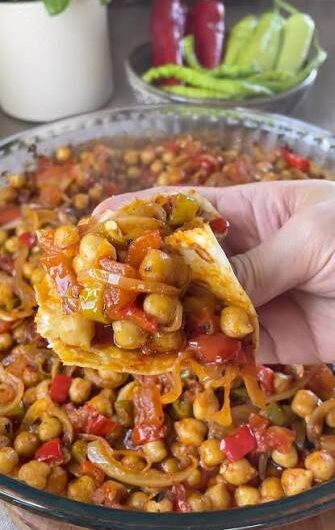
Baked Chickpea Casserole
Course: MainCuisine: Turkish4
servings15
minutes45
minutes320
kcalTraditional Urfa Nohut Tava combines tender chickpeas with fresh peppers, onions, and isot in a single roasting dish. Baking under damp parchment creates a rich, vegetable-infused sauce with very little hands-on preparation.
Ingredients
3 cups cooked chickpeas
2 large onions, chopped
3-4 tomatoes, chopped
1 large red bell pepper, chopped
2 green peppers, chopped
3 cloves garlic, chopped
1 tbsp tomato paste (or red pepper paste)
1/2 cup extra virgin olive oil
1 tsp black pepper
1 tsp paprika
1 tsp isot (Urfa pepper flakes)
1 tsp cumin
1 tsp salt
Directions
- Preheat and Combine: Preheat your oven to 400°F (200°C). Transfer the cooked chickpeas into a baking dish (borcam), then add the chopped onions, tomatoes, red bell pepper, green peppers, and garlic directly on top.
- Season and Mix: Add the tomato paste, olive oil, black pepper, paprika, isot, cumin, and salt. Toss everything thoroughly until the paste and spices evenly coat the chickpeas and raw vegetables.
- Cover and Bake: Wet a sheet of parchment paper under cold water, wring out the excess moisture, and cover the baking dish tightly. Bake in the preheated oven for 30 minutes.
- Uncover and Finish: Remove the parchment paper, stir the mixture thoroughly, and return the uncovered dish to the oven for another 10 to 15 minutes until the vegetables char slightly and the sauce thickens. Serve hot with flatbread.
FAQ
Should I use dried chickpeas or canned chickpeas for this dish?
Canned chickpeas work well for quick preparation, but home-cooked dried chickpeas hold their texture much better during baking. Canned varieties soften faster and can turn mushy if baked uncovered for too long. If using canned, reduce the initial covered baking time by five minutes to preserve their shape.
Why do you need to wet the parchment paper before baking?
Wetting the paper makes it pliable enough to seal the edges of the dish, trapping steam inside. This steam cooks the raw onions and peppers in their own juices without drying out the dish. It also prevents the top layer of spices from scorching under high heat.
What makes Urfa isot different from regular red pepper flakes?
Isot undergoes a specific sun-drying and sweat-fermentation process that gives it a dark color and smoky, slightly sweet flavor. Regular red pepper flakes provide heat but lack the deep, earthy undertones essential to Southeastern Turkish cuisine. Look for dark, shiny flakes in Turkish markets for the most authentic flavor profile.
Can this chickpea casserole be prepared in advance?
You can chop all the fresh vegetables and combine them with the chickpeas a day early. Store the raw mixture tightly covered in the refrigerator, but hold off on adding the salt until right before baking. Cold storage allows the garlic and peppers to infuse the chickpeas even before heat is applied.
What is the best way to serve Nohut Tava traditionally?
Southeastern Turkish culture dictates serving this dish piping hot alongside fresh lavash or tırnak pidesi flatbread. Diners use the bread directly to scoop up the soft chickpeas and concentrated pan juices without needing utensils. A side of cold ayran or sumac-rubbed raw onions completes the meal balance.